

On Wednesday, October 29, we gathered more than 80 participants at Allerhuset – and another 88 followed online – for the first AccessibleEU event in Denmark in 2025, “When Accessibility Meets AI”.
It was also the first event for me in the role of national expert for Denmark under AccessibleEU on behalf of the European Commission – a role I took on in July of this year.
For me, it was a day when everything seemed to come together: strong presentations, thought-provoking perspectives, and a truly special energy in the room! It was wonderful to see so many people discussing accessibility across boundaries.
“AccessibleEU is about gathering and sharing knowledge from across Europe on how we make society more accessible – both digitally and physically.” – Tobias Nyhuus Jensen
When AI Meets Reality
The goal of the day was to explore how artificial intelligence can be used to make digital solutions more accessible, and how we can avoid new technology creating new barriers.
There was something special about the atmosphere in the room. Many had not met before, but brought the same curiosity and commitment. It was clear that accessibility is truly moving from a niche concern to a necessity in Denmark.
Speakers and Highlights
Dorte Nørregaard – Disability Tech Denmark / Videnscenter om Handicap
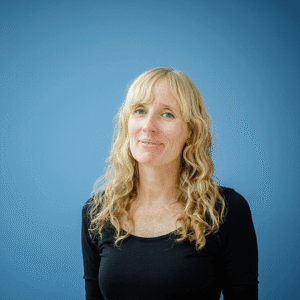

Dorte talked about Disability Tech Denmark, and how technology should benefit individuals – not be driven by the system's need for cost savings.
She emphasized that the goal is to empower people with disabilities in their daily lives and create better opportunities for participation in society. It's important that the target group is involved in all phases.
“We try to start from the people who need to use the technology. And not from the system's need for savings.” – Dorte Nørregaard
Susanna Laurin – IAAP Nordic / Stiftelsen Funka

Susanna gave a presentation about a European study she contributed to through Stiftelsen Funka, on how artificial intelligence can support accessibility in practice.
She showed examples of how AI is already being used to improve testing tools, image recognition, and automatic captioning – especially with impact for people with hearing loss.
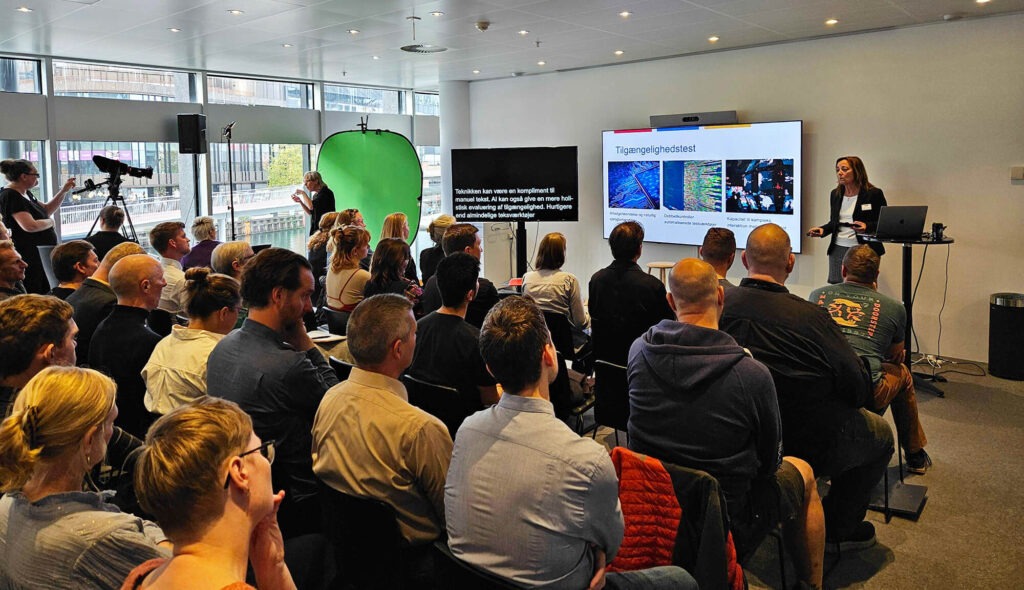
🎥 Watch the presentation:
Ingrid Haug – DTU Skylab
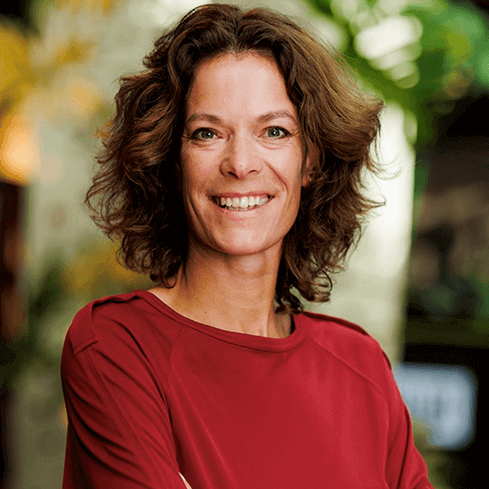
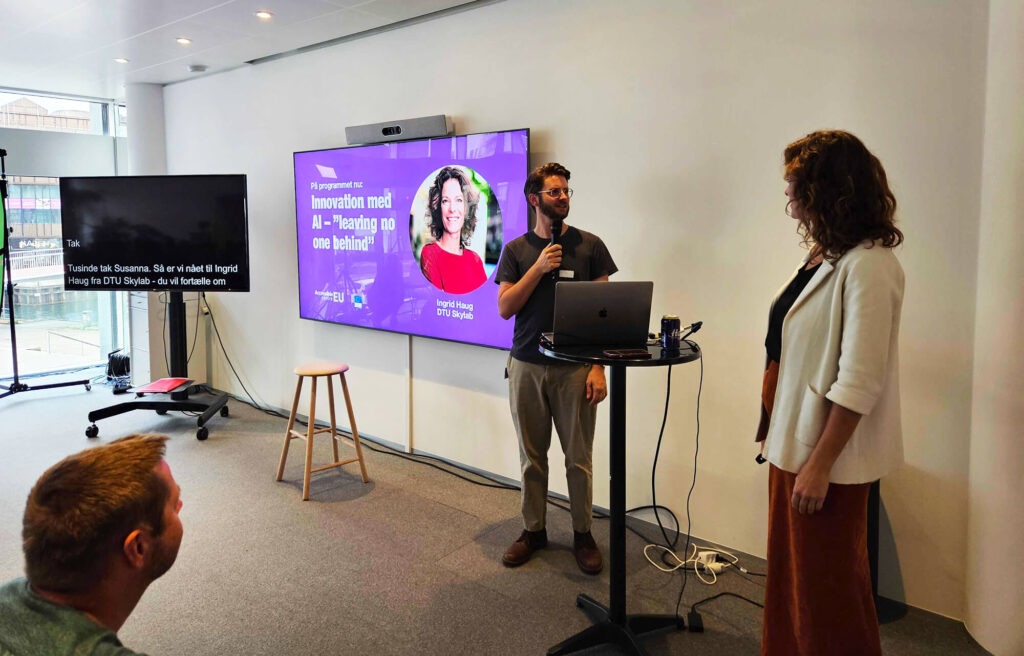
Ingrid took us out of the rows of seats and straight into a workshop. Her session, “Innovation with AI – Leaving No One Behind”, was a great reminder that human diversity can be (and often has been) a fantastic driver behind good innovation.
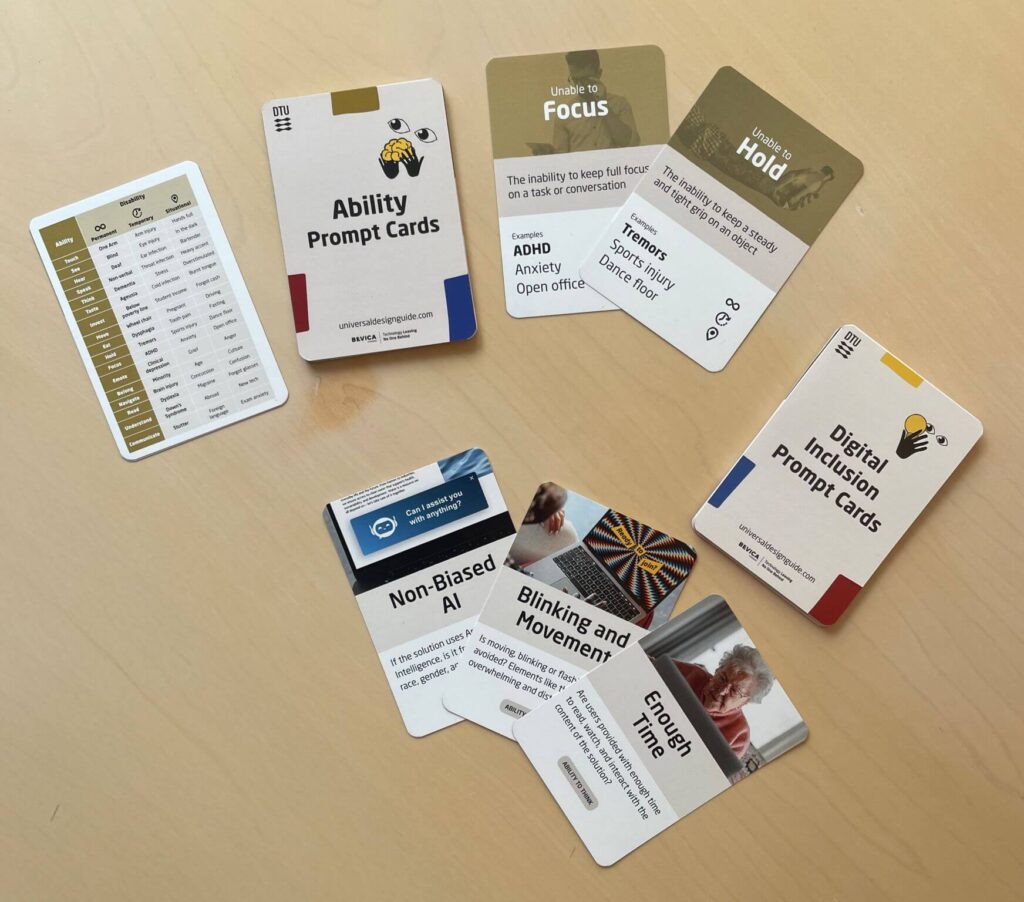
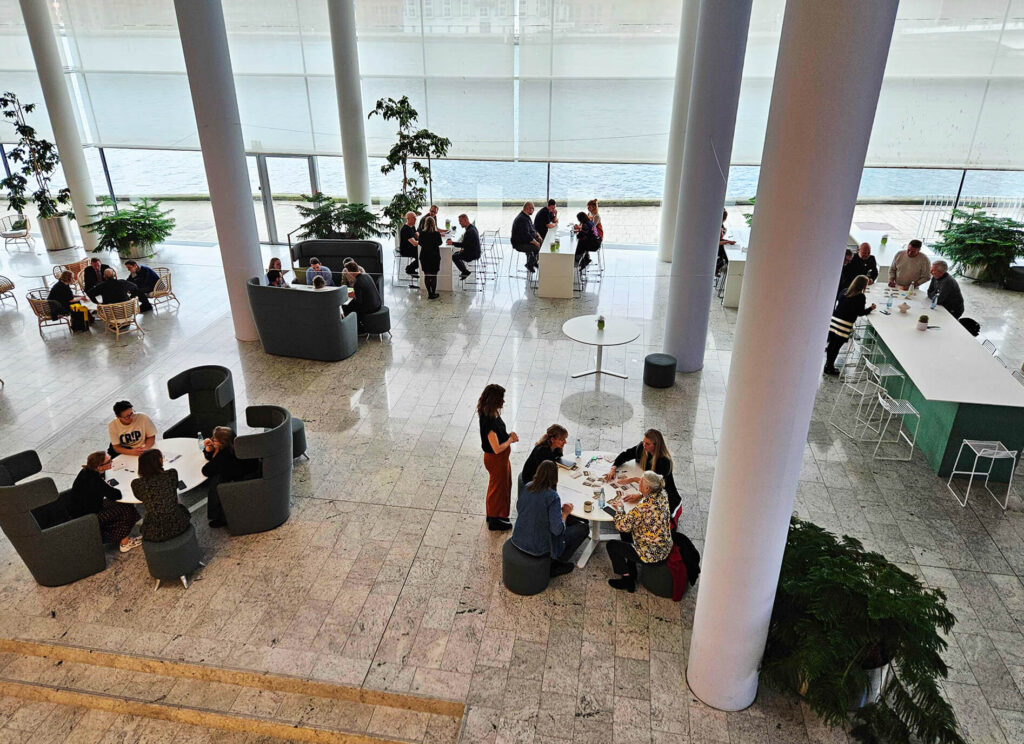
With Ability Prompt Cards in hand, the participants worked in groups and found concrete ways AI can help us design solutions that include more people.

🎥 Watch the presentation:
Cathrine Mejdal – Mejdal Consulting
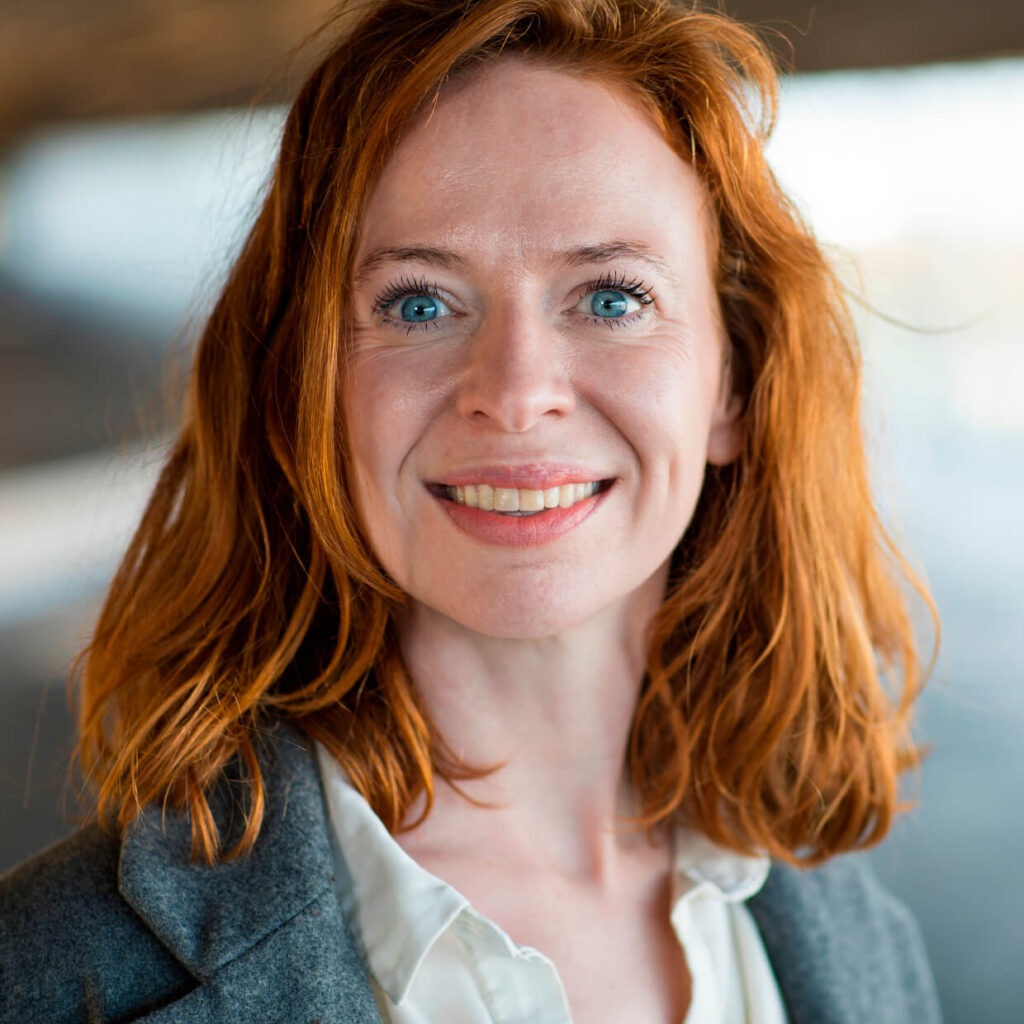
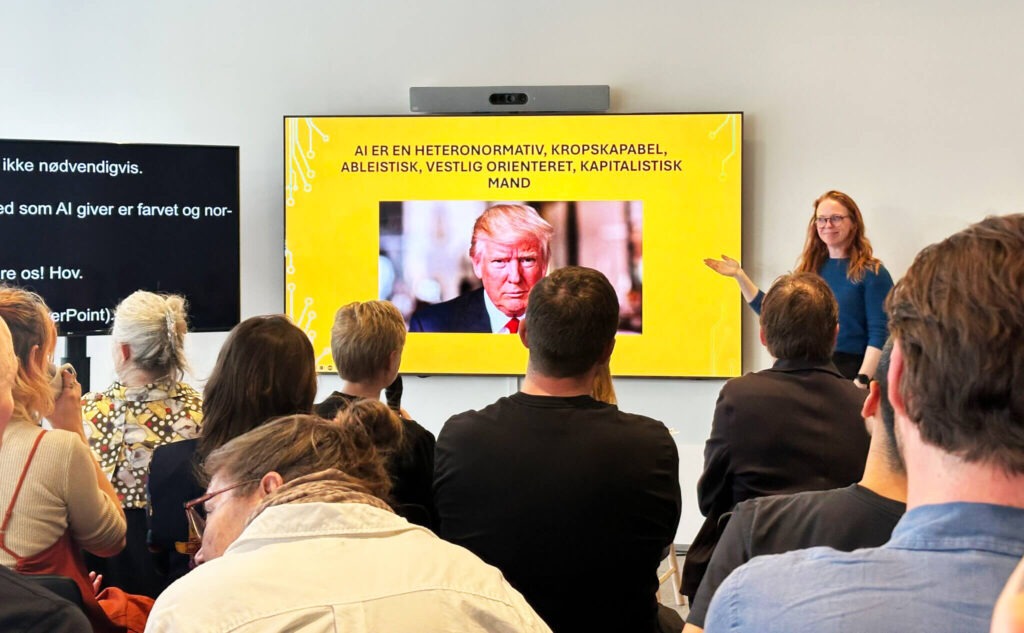
Cathrine spoke under the headline “Ally or Colonist” about power, representation, and responsibility, both in language and in technology. An ally does not speak on behalf of others, but works with and listens to those concerned.
From there, she moved on to the question about artificial intelligence: Does AI actually act as an ally that supports people, or as a colonist that takes over and shapes reality based on its own systems and logic?
“An ally works to co-create, strengthen the community, and include empathy as part of the co-creation.” – Cathrine Mejdal
🎥 Watch the presentation:
Kristian Kappel – Siteimprove


Kristian shifted gears and took us from philosophy to practice.
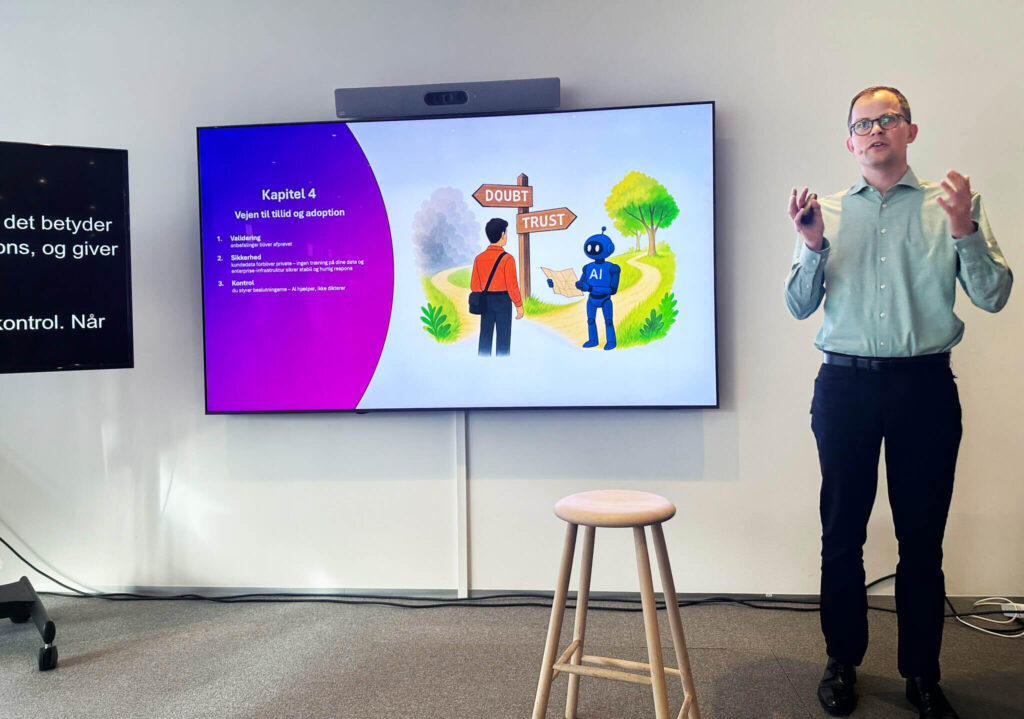
He explained how Siteimprove works to use AI to make their products smarter, without losing the human quality assurance.
He shared a series of historical examples of how technology has always been met with skepticism – from the printing press to electricity – and compared this to today's AI debate.
“AI should not be used to replace people – but to amplify our abilities.” – Kristian Kappel
When used responsibly, AI can free up time for what really matters – such as human assessment, empathy, productivity, and quality.
🎥 Watch the presentation:
Simon Toftgaard Jespersen – Muskelsvindfonden
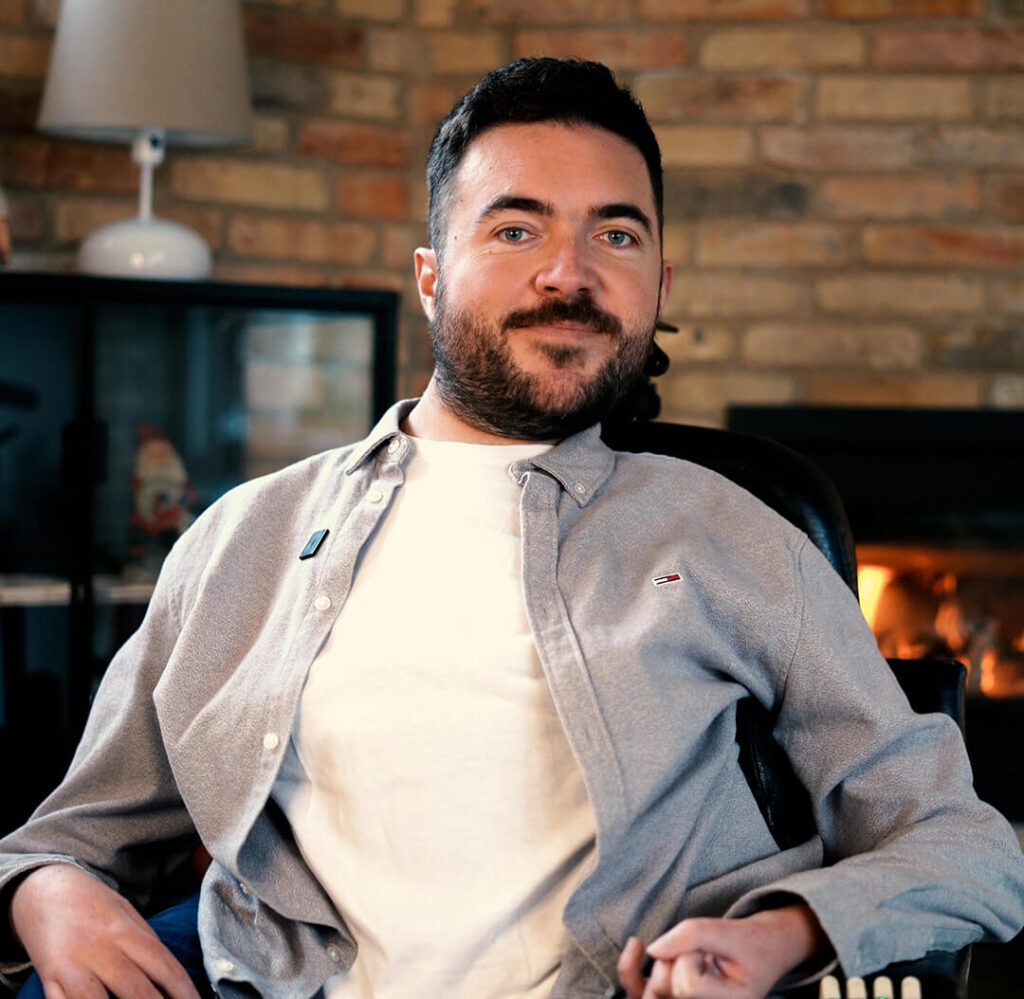
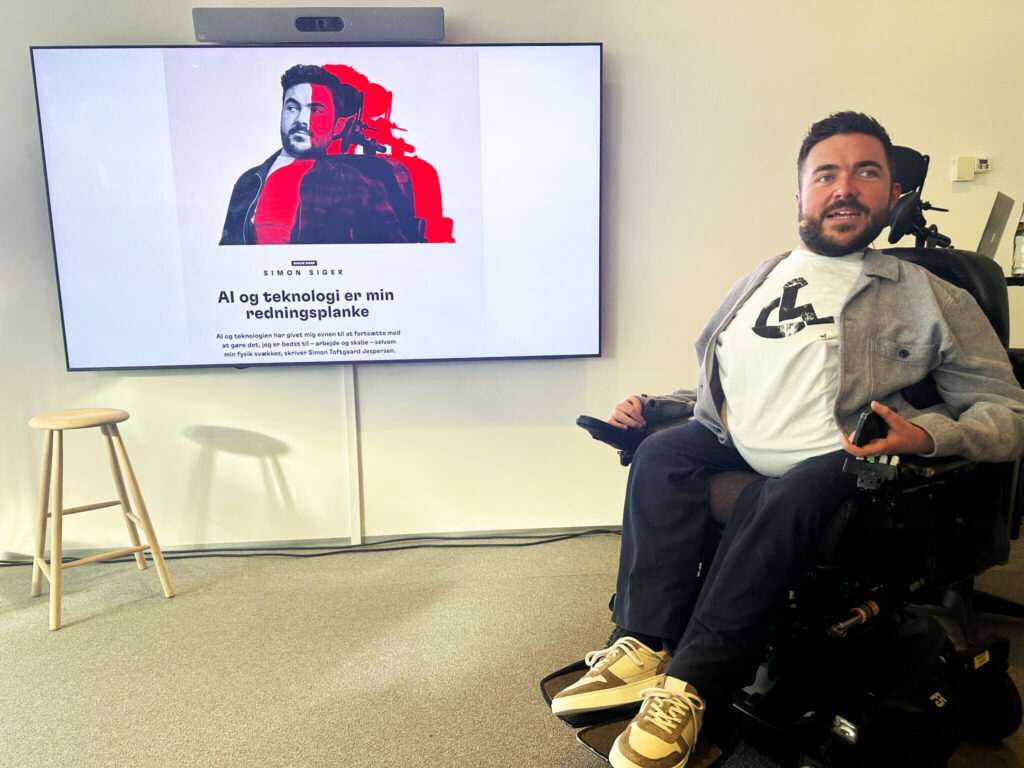
Simon rounded off the day with a personal presentation about how technology and AI make a tangible difference in his life.
He talked about living with muscular dystrophy and how technological aids – such as voice control and automation – give him freedom and control in his daily life.
He said that he uses AI and digital solutions to communicate, work, and manage his surroundings, and that it has made him more independent.
“I haven't lost abilities – I've just changed tools.” – Simon Toftgaard Jespersen
🎥 Watch the presentation:
An Inclusive Conversation
The event was organized in collaboration between AccessibleEU, Siteimprove, Disability Tech Denmark, and IAAP Nordic.
There was sign language interpretation, live subtitles, hybrid participation via YouTube, and a venue where everyone could join – thanks to Tegnsprogstolken.dk for both sign language interpretation and live captioning, and to We Are Wonder ApS for livestream and audio production. Hopefully, the event was an example of how inclusion should not just be talked about, but actively designed into the experience.
Several participants later described that it felt like a turning point – where accessibility, for once, wasn't a niche topic, but a natural part of a broader conversation.
I myself felt there was a sense of a genuine community among people who normally work in different areas of the field.
Results and Learnings
Several highlighted the event as a gathering point for the whole field across public authorities, businesses, universities, and organizations.
Among the takeaways from the day:
- Accessibility is increasingly seen as a quality factor, not a special consideration.
- Cross-sector collaboration is crucial for AI solutions to genuinely benefit users.
- There is a need for more concrete guidance on how to practically integrate accessibility into AI-driven tools and policies.
A Day Looking Ahead forward
The first event marked the beginning of a new phase for AccessibleEU in Denmark, and I also think it showed how much energy, competence, and willingness to collaborate exist in the field.
Forlæns thanks all speakers, participants, and partners for making the day something special.
There are already new Danish AccessibleEU events on the way – including:
- Accessible Crisis Management at Christiansborg on November 24
- European Accessibility Act in Practice at Danish Disability Organisations on December 1.
I look forward to continuing the conversation about how technology can be used for everyone – not just most!
Do you want to read more about AccessibleEU and upcoming activities in Denmark?